Summer to Fall Transitional Outfits: 14 Looks and the Pieces That Make Them Work
The six weeks between sandal weather and sweater weather don't need a new wardrobe — they need three changes to the clothes you already own. Here are the formulas, the fabric swaps, and the pieces worth buying.
Affiliate disclosure: this article contains affiliate links. If you buy through them, we may earn a commission at no extra cost to you — it funds our testing. Learn more.
There's a six-week stretch every year when the forecast refuses to commit. Mornings ask for a sweater, two o'clock wants a tank top, and by dinner you're cold again. That gap is where most of us overspend, buying new autumn clothes we won't wear for another month while a closet full of perfectly good summer pieces sits untouched.
The better move is editing, not acquiring. Nearly every summer dress, camisole, and pair of jeans can read autumnal with three changes: what you put over it, what you put on your feet, and what color you bring in at the edges. Below are the formulas that hold up, the fabric swaps that do the quiet work, and an honest read on which pieces are worth buying versus which you can skip entirely this year.
What Counts as a Summer to Fall Transitional Outfit?
A transitional outfit is one that works across a temperature swing of fifteen degrees or more without needing a mid-day outfit change. It usually has a lightweight base you'd be comfortable in bare-armed, one removable layer, and closed or semi-closed shoes. That's the functional definition. The stylistic definition matters just as much: it has to look like it belongs to the new season, even when half the pieces came from July.
That second part is where people get stuck. A tank top with sandals and a cardigan slung over it isn't a transitional outfit — it's a summer outfit holding a backup plan. The shift happens when the autumn signals are built into the look rather than carried in your bag.
The Three Levers: Coverage, Weight, and Color
Every transitional outfit is some combination of three adjustments. You rarely need all three at once, and pulling all three hard is what makes an outfit feel costumey in 75-degree weather.
- Coverage: closed shoes instead of sandals, a longer hem, sleeves added by a cardigan or shirt rather than by the base layer itself.
- Weight: a silk skirt instead of cotton eyelet, dark-wash denim instead of white, suede instead of raffia. Same silhouette, denser visual texture.
- Color: mustard, burgundy, olive, camel, chocolate, and deep navy read as fall even on a sleeveless dress. Charlie B makes this point well — warm-toned accessories alone can reposition a light summer dress for the season.
- The rule of thumb: pull two levers firmly, leave the third alone. Boots plus a burgundy belt on a white sundress works. Boots plus burgundy plus a chunky knit in September does not.
The Temperature Spread Rule
Here's the shortcut I'd offer that you won't find in most transitional dressing guides: stop dressing for the day's high and start dressing for the day's spread. Check the gap between the morning low and the afternoon high before you get dressed.
If the spread is under about ten degrees Fahrenheit, you can commit to a single weight — one knit, one dress, one jacket — and you'll be fine all day. If the spread is fifteen degrees or more, you need a removable layer over a base that functions as a complete outfit on its own. This is the diagnosis behind most transitional failures: they're base-layer failures. The cardigan comes off at noon and what's underneath turns out to be underwear-adjacent, so you keep the cardigan on and spend the afternoon uncomfortable.
Apply the same logic in reverse at night. Before you leave, ask whether you'd be comfortable sitting outside at a restaurant at seven. If the answer is no and you're not carrying anything, the outfit isn't finished.
14 Summer to Fall Transitional Outfits to Copy
These are formulas, not shopping lists. Most of them use pieces already hanging in your closet, which is the entire point of transitional dressing.
Dress-Based Transitional Outfits
Summer dresses are the single easiest category to carry forward, and the one most people retire too early. A midi or slip dress with tights and ankle boots keeps the dress's shape and lightness while reading cool-weather. On genuinely chilly mornings, a thin knit turtleneck underneath adds real warmth without the bulk of a coat.
- Slip dress + fine-knit turtleneck underneath + ankle boots + leather belt at the waist.
- Floral midi dress + cropped denim jacket + white leather sneakers or low tan boots.
- Gingham shirt dress + raffia belt swapped for a leather one + classic denim jacket + loafers.
- Maxi dress + chunky knit cardigan left open + ankle boots + structured leather tote.
- Sleeveless linen dress + oversized blazer + sock-style boots, with the blazer sleeves pushed up.
Denim-Based Transitional Outfits
Denim is the most seasonless fabric in the wardrobe. The garment doesn't change between August and October — only the styling does, and the fastest tell is wash depth. Light wash and white denim read summer; mid to dark indigo reads autumn instantly, even in shorts.
- Dark-wash straight jeans + lightweight silk or cotton blouse + ankle boots.
- Denim midi skirt + fine-gauge sweater tucked in + knee-high boots.
- Dark denim shorts + oversized cardigan + suede loafers with socks, for that in-between fortnight.
- White jeans + burgundy knit + camel suede flats — proof white denim survives September if the top half carries the season.
- Denim jacket over absolutely everything above, which is the whole argument for owning one that fits well.
Skirt and Tailoring Transitional Outfits
- Silk or satin bias skirt in olive or burgundy + summer tank + blazer + pointed flats. Breathable, lightweight, unmistakably autumnal in the right color.
- Pleated midi skirt + striped long-sleeve tee + ballet flats.
- Leather or faux-leather A-line skirt + soft cotton knit, for texture contrast without extra warmth.
- Wide-leg trousers + camisole + unstructured jacket, with the camisole doing the summer work and the trouser weight doing the fall work.
Fabric Is the Quietest Signal of the Season
If you only change one thing, change fabric. It's the adjustment nobody consciously notices and everybody registers. Raffia, eyelet, seersucker, and open crochet are tied to hot weather in a way no amount of styling undoes. Silk, suede, fine wool, corduroy, and leather read cooler regardless of how little they actually weigh.
Fabrics That Cross Over Easily
- Silk and silk blends — light enough for 80 degrees, with a depth of sheen that suits autumn light.
- Denim in any weight, with wash doing the seasonal signalling.
- Fine-gauge merino and cotton knits, which layer without bulk.
- Suede in camel, chocolate, or taupe — a summer-friendly color in a fall-friendly material.
- Ponte and tencel twill, which drape like summer fabrics and photograph like heavier ones.
Fabrics to Retire First
- Raffia and straw, in bags, belts, and shoes alike.
- Broderie anglaise and heavy eyelet.
- Seersucker and madras.
- Sheer open-weave crochet, unless layered over something solid.
- Terry cloth and anything that reads poolside.
Shoes: What to Keep Wearing and What to Put Away
Footwear is the loudest seasonal marker in any outfit, which makes it the most efficient thing to change. Thong sandals, flip-flops, and anything raffia-soled are tied directly to hot weather — those go away first. What stays are the styles that work in three seasons, especially in lighter colors that don't fight a summer dress.
- Keep wearing: white leather sneakers, suede loafers, ballet flats, light-colored ankle boots, mules with a closed toe.
- Add now: a tan or chocolate suede ankle boot, which is the single highest-mileage purchase of the transition.
- Add if you wear dresses often: a slim knee-high boot, which handles the hem-length problem a midi creates.
- Put away: flip-flops, flat thong sandals, espadrille wedges, anything with a woven or cork sole.
- On the fence: strappy heeled sandals. Fine for evening into October in warmer climates, out of place by day.
The Transitional Capsule: What's Actually Worth Buying
You don't need much. If you're buying anything this season, buy the pieces that bridge rather than the pieces that commit — a chunky wool coat will sit unworn for two months, but a well-cut denim jacket earns its keep from August to November. Prioritize the layer, the boot, and the bag, in that order.
Transitional pieces that pull the most weight
Classic · See guide
Classic Cropped Denim Jacket
See the full write-up in this guide.
check live price
Fine-Gauge · See guide
Fine-Gauge Merino Turtleneck
See the full write-up in this guide.
check live price
Tan · See guide
Tan Suede Ankle Boot
See the full write-up in this guide.
check live price
Bias-Cut · See guide
Bias-Cut Silk Midi Skirt
See the full write-up in this guide.
check live price
Structured · See guide
Structured Leather Tote
See the full write-up in this guide.
check live price
Oversized · See guide
Oversized Relaxed Blazer
See the full write-up in this guide.
check live price
Cotton · See guide
Cotton Ribbed Tank
See the full write-up in this guide.
check live price
Chunky · See guide
Chunky Open-Front Cardigan
See the full write-up in this guide.
check live price
Which Layer for Which Day?
The layer you reach for should be a function of the temperature spread and the setting, not habit. Here's how I'd map it.
| Product | Price | Rating | Best for | |
|---|---|---|---|---|
| Classic Classic Cropped Denim Jacket | See retailer | — | See guide | View |
| Oversized Oversized Relaxed Blazer | See retailer | — | See guide | View |
| Chunky Chunky Open-Front Cardigan | See retailer | — | See guide | View |
| Fine-Knit Fine-Knit Vest | See retailer | — | See guide | View |
| Lightweight Lightweight Trench Coat | See retailer | — | See guide | View |
Check the retailer page for current prices and customer reviews.
A quick read on the four: denim jacket for casual days with a wide spread and no dress code. Blazer when you need the outfit to look deliberate and the spread is moderate. Cardigan for cool mornings that turn warm, because it packs down smallest. Knit vest when you want fall texture with almost no added warmth, which makes it the most underrated piece of the entire transition.
Accessories Do the Heaviest Lifting
Accessories are the cheapest and fastest route through the transition, and the one that requires no new clothes at all. A light sundress with flat sandals becomes a fall outfit with ankle boots, a leather belt, and a scarf in mustard, burgundy, or olive. Nothing about the dress changed.
- Swap straw and canvas totes for structured leather or suede. Texture reads as temperature.
- Add a leather belt at the waist of anything loose — it adds definition and a fall material in one move.
- Trade light-tinted sunglasses for a deeper lens and a thicker frame. Tortoise shell is the easy win, particularly as an alternative to black.
- Move from delicate summer gold to warmer, heavier metals and chunkier links.
- A lightweight scarf in a fall shade is the single most efficient seasonal signal you can carry in a bag.
Building a Transitional Color Palette
Transitional wardrobes tend to orbit a neutral base — beige, camel, navy, grey, ivory — because those shades don't belong to a season and take accent colors easily. Build the foundation in neutrals, then introduce the autumn range through one or two pieces at a time.
- Base neutrals: ivory, camel, taupe, navy, charcoal.
- Transitional accents: olive, burgundy, mustard, rust, chocolate.
- Carryover brights that still work: soft butter yellow, sage, dusty blue — pair them with brown or burgundy rather than white.
- Retire or pause: hot coral, turquoise, neon citrus, bright white head-to-toe.
If you want a more systematic approach to this, our guide to building a capsule wardrobe color palette walks through how to choose a base and accent range you can repeat across seasons.
Three Formulas for Work, Weekend, and Evening
The Office Version
Wide-leg trousers in a mid-weight fabric, a silk camisole or fine knit, and an unstructured blazer you can take off in a warm conference room. Pointed flats or a loafer. The camisole is the reason this works — remove the blazer and you still have a complete look, which is the test any transitional work outfit has to pass. For more on this register, see our notes on business casual for women.
The Weekend Version
Dark-wash straight jeans, a cotton tank or tee, a denim jacket or open cardigan, and white sneakers or suede loafers. Add a leather belt and a structured bag and the whole thing reads intentional rather than default. This is the formula I'd keep on rotation through the entire changeover.
The Evening Version
A slip or bias-cut midi dress in burgundy, olive, or chocolate, with heeled ankle boots or a closed-toe mule. Carry a knit wrap or a cropped leather jacket rather than wearing it. Dresses that feel too summery on their own usually just need a deeper shoe and a warmer metal.
Five Mistakes That Derail a Transitional Outfit
- Going heavy too early. A chunky wool knit at 80 degrees looks uncomfortable, and looking uncomfortable undoes good styling.
- Layering a long-sleeve base under a jacket. When the jacket comes off you have nowhere to go. Sleeveless bases, outer sleeves.
- Keeping summer shoes with fall clothing. Sandals under a sweater is the most common and most visible mismatch.
- Forgetting the bag. A straw tote will date an otherwise perfectly judged outfit.
- Buying for October in August. The pieces you want now are bridges, not destinations.
How to Shop the Transition Without Overbuying
Before you add anything, do a quick inventory. Pull out every summer dress, camisole, and pair of jeans and ask of each one: does this work with closed shoes and a layer? Most will. What you'll usually find missing is a single mid-weight layer, one pair of boots, and a bag with some structure. That's three purchases, not thirty.
- Shop your closet first — tanks, camisoles, and breathable blouses are already transitional base layers.
- Buy the layer before the base. Outerwear changes more outfits than tops do.
- Choose lighter-colored boots over black if you only buy one pair; they work with summer holdovers and winter pieces both.
- Check that any new piece works with at least three things you already own. If it doesn't, it's a fall purchase, not a transitional one.
- Hold off on coats, heavy wool, and shearling until the overnight lows genuinely stay down.
If you're adding one thing this season, make it the layer that works with everything you already own.
Check Price — Classic Classic Cropped Denim JacketWe may earn a commission at no cost to you.
The transition rewards restraint. Change your shoes, change one layer, bring in one autumn color, and leave the rest of your summer wardrobe doing exactly what it did in August. Once the lows stop climbing back up, you can graduate to the real thing — our rundowns of fall fashion trends and winter outfits pick up where this leaves off, and summer outfits is there for next year.
Common questions
Frequently Asked Questions
What are the best summer to fall transitional outfits?
The most reliable formulas are a midi or slip dress with ankle boots, dark-wash jeans with a lightweight blouse or knit, a denim skirt with a fine sweater and boots, and a sleeveless dress under an open cardigan or blazer. All use summer pieces with autumn shoes and layers.
Can I still wear summer dresses in the fall?
Yes, and they're the easiest category to carry over. Add tights and ankle boots, or layer a thin knit turtleneck underneath on cooler days. A cardigan or denim jacket gives you a layered look without bulk, and warm-toned accessories shift the whole dress into autumn.
What shoes work for transitional weather?
Lighter-colored ankle boots, suede loafers, ballet flats, white leather sneakers, and closed-toe mules all cross seasons. Put away flip-flops, flat thong sandals, and anything with a woven or cork sole, since those read as hot-weather footwear no matter what you pair them with.
How do I transition my wardrobe without buying new clothes?
Change shoes, bag, and belt first. Swapping sandals for boots, a straw tote for structured leather, and adding a scarf or belt in mustard, burgundy, or olive repositions an outfit you already own. Accessories are the cheapest and fastest seasonal signal.
Which colors work best for transitional outfits?
Build on neutrals like beige, camel, navy, grey, and ivory, then layer in olive, burgundy, mustard, rust, and chocolate. Softer summer shades such as butter yellow or sage still work if you pair them with brown or burgundy rather than crisp white.
When should I actually switch to fall clothing?
Watch overnight lows rather than daytime highs. Once the low stops rebounding above roughly 60°F, heavier knits and coats start making sense. Before that, stick to transitional layers you can remove, since a wide daily temperature spread needs a removable layer, not a heavier base.
What's the one piece worth buying for the transition?
A well-fitting denim jacket or an unstructured blazer. Outerwear changes more outfits than tops do, and both work over dresses, jeans, skirts, and shorts across a wide temperature range. A tan or chocolate suede ankle boot is the close second.
Sources
Written by
Emma Carter
Editor-in-Chief
Emma spent a decade styling editorial shoots in New York and London before founding Pearlthread. She believes great style is a system, not a shopping habit — and that the best outfit is the one you don't have to think about.
- ✓ 10+ years in fashion editorial (NY & London)
- ✓ Certified image consultant, AICI
- ✓ Personally road-tests every reviewed product for 2+ weeks
Enjoying this guide?
Get the next one in your inbox on Sunday.
Newsletter sign-ups are not available yet.
Keep reading
Related guides
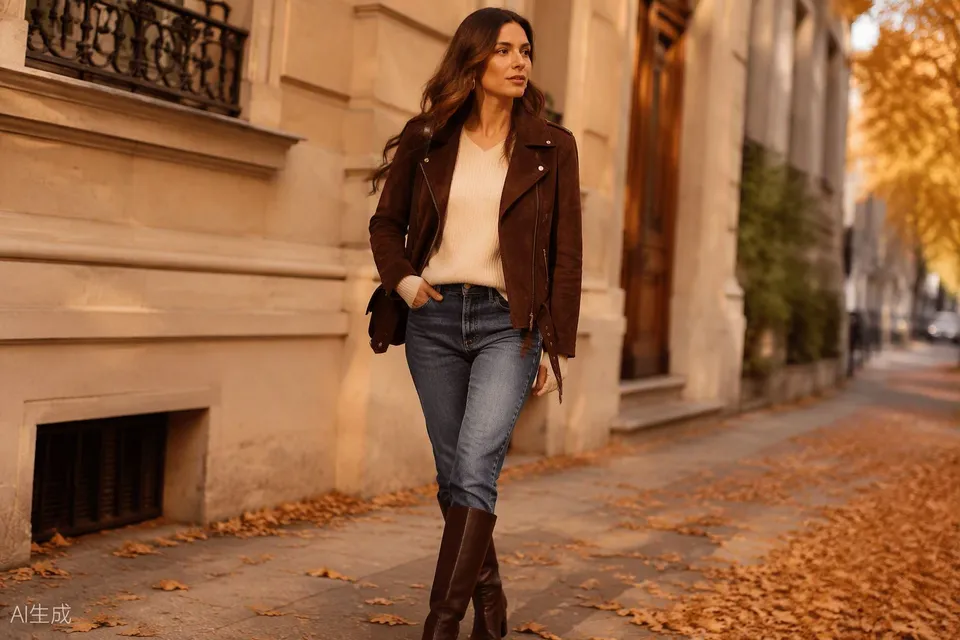
Seasonal · Shopping Guide
Fall Outfits 2026: 45 Effortless Ideas You'll Wear on Repeat
Suede, burgundy, scarf coats and the return of the knee-high boot — these are the 45 outfit formulas our editors are actually wearing this fall.
11 min read
Seasonal · Trend Report
Summer Outfits 2026: The Complete Guide to Dressing Cool and Looking Pulled Together
The summer 2026 look comes down to one repeatable structure: loose, breathable foundations plus a single expressive detail. Here are the five formulas, the fabrics that hold up in real heat, and how to adjust each for your shape.
11 min read
Seasonal · Trend Report
Fall Fashion Trends 2026: What Editors Are Actually Wearing
A former buyer reads the fall 2026 trend cycle so you don't have to: the eight trends worth real money, and the four to admire from a distance.
9 min read
Capsule · Trend Report
The Complete Guide to Building Your Capsule Wardrobe Color Palette
A well-chosen color palette is the secret to a capsule wardrobe that actually works. Here's how to select colors that complement each other, flatter your skin tone, and multiply your outfit options.
12 min read